The music industry is currently going through unprecedented changes, with an emphasis on digital media instead of the old physical ones. Whereas CD keeps losing market share year-after-year, vinyl has been experiencing an amazing resurgence for nearly a decade.
The thing is, increase in sales doesn’t necessarily mean vinyl is still a suitable platform in a society that relies heavily on digital services. Hence the question: why are some artists still releasing music on vinyl in 2016?
Wax Is The New Trend
Online distribution services guarantee any artist, even independent ones, distribution of their music to every online musical platform (from iTunes to Spotify, including Tidal and Google Play). Vinyl releases have no assurance that their music will actually reach an audience. With high production costs and much lower exposure, vinyl doesn’t seem to be a sound investment at first sight.
Yet everyone knows that money is not the only issue ruling music production. Vinyl production offers strong material and graphic assets – in this instance: large artwork, strong sleeve, and a warmer sound. By engaging the senses, vinyl goes beyond the musical framework.
Unlike vinyl, CDs have become incapable of attracting customers in stores today. Why would they bother buying an album when they can enjoy unlimited access to music on their computer for the same price? In contrast, vinyl managed to keep them interested in buying music thanks to its classy and appealing nature.
Vinyl is far from being a trivial format. Not only can it be a selling point for artists, but it can also help them distinguish themselves from their peers. By offering their fans the opportunity to buy their music on vinyl, they develop their identity beyond the boundaries of music. Graphic design, packaging, or thematic concepts are some elements that help define their universe – and make vinyl still very popular.
Collectible items, synonymous with vintage and their reputation for sound quality are all reasons that explain the strong comeback of vinyl.
Vinyl sales skyrocketed overseas, with a staggering 1,250% growth between 2005 and 2015 in the US alone! The vinyl market has never been so healthy since its heyday back in the 70s. Vinyl increasingly reinforces its status as music enthusiasts’ favourite physical medium.
What Vinyl Solutions Are There For Artists?
A stronger consumer demand that pushes market players to increase their annual output. However, it’s quite hard for artists to stay competitive without financial support from labels. Although self-production can be an alternative, there still are both major and obvious constraints:
There is currently no reliable way to predict sales for vinyl records, which can lead to under/overproduction.
Artists generally cannot afford to pay for the high production expenses of vinyl pressing.
Similarly, they generally receive very little support from industry’s professionals.
Market fragmentation makes it hard to find the best partners, making the production process much more difficult.
Direct involvement from fans within that process is an interesting solution since there’s almost no intermediary. Funds raised by crowdfunding campaigns are fully invested in making a project successful. This makes the financial relationship between an artist and their fans closer as the fans get to directly support the artists they like.
The growing number of successful crowdfunded projects highlights the efficiency and popularity of crowdfunding. This is an appealing model for artists and labels alike, the latter only having to promote and distribute a finished product without funding its production.
The great majority of “regular” platforms only raise funds for a project’s production without actually promoting or distributing the final product afterwards. By connecting artists, labels and fans within a pre-order platform, Diggers Factory aspires to match supply and demand and offers a real alternative to the traditional vinyl distribution circuit.
An Online Pre-Order Social Platform
The artist, label, or rights holder willing to release a project (studio album, compilation, reissue) on vinyl submits it on the platform and sets a sales objective as well as the price of the record. Then the community comes into play. Diggers Factory and its members (“Diggers”) are the ones who bring projects to fruition.
People can support a production project by pre-ordering one or more records from the artist. As soon as the sales objective is reached, Diggers are notified, production is launched and the artist earns their margin. Should the sales objective not be reached on time, Diggers are fully refunded, free of charge.
Pre-orders alone provide the funds for a project’s production and distribution under the condition that it reaches its sales objective. Diggers are then guaranteed to get their orders by home delivery, wherever they are in the world.
By reducing intermediaries between artists and fans, Diggers Factory aspires to make the vinyl market more accessible whilst favouring independent music. It’s now up to Diggers to unite to produce and fund tomorrow’s promising artists.
To become a successful artist, you need to work hard on building your fanbase, until you reach a point where you can sell your products to sustain and grow your career. A loyal fan is built from multiple, valuable connections with you. Therefore, it’s very important to make sure you get the contact details of those people who have invested their time in you by either watching you live, liking your fan page or browsing your website.
Firstly, get yourself signed up to Mailchimp . This is a free mailing platform that organises your mailing list and helps you create professional looking mail outs, so that you can create the best looking content for your subscribers.
At Live Shows…
After your performance, make sure to have a printed mailing list sign up sheet prominently displayed at the merchandise stand, or even better, go round the audience asking people to sign up. If you’re too busy after your set to do this, (or too shy), ask an outgoing friend to help you. It usually helps to have some sort of incentive for people signing up, such as a free demo CD, digital single download code or a badge for example. You’ll then need to add in those contact details into your mailchimp list.
Text Marketer
Something that we have found has worked well for larger scale events is a text marketer. This is where you ask audiences to text a keyword (selected by you) to a short number, and they get an automatic text response. The response may contain a link to your website, a free music download or tour dates for example. Think of the old Orange Wednesday 2 for 1 deal on cinema tickets where you texted FILM to 241 and got a code in reply.
Look at www.textmarketer.co.uk which is free to set up an account. You then pay a small subscription fee for a chosen keyword and then purchase a number of credits. For every automatic response that sent is out, a credit will be used up. If you then make it so that in order to access the incentive, an email address is required then you can then collect email addresses for your mailing list too. Noisetrade is a useful site for this.
All of the numbers of people texting in are stored on your account, so when it comes to releasing your EP for example, you can send out a text marketing message with the download link to all of those people directly to their phones.
Online…
Website
We highly recommend setting up a Sign Up box to your website. Mailchimp helps you integrate a sign up button into your website easily. Make this prominent on the home page. Add a clear call to action and make it obvious what the benefits are for subscribers.
Social Media
Use social media to get people signed up to your mailing list. With Facebook making it ever harder to reach your fans without spending money, it is well worth working on migrating as many Facebook followers to your mailing list as possible. Again, use incentives such as raffle give aways, priority on tour tickets etc. You can get creative with this!
What To Do With Your Mailing List?
Make sure to put out regular, quality content to your mailing list subscribers.
Send exclusive and engaging content. Anytime you have a major announcement, such as a new release, festival appearance etc – announce it to your mailing list first. They will appreciate being told before anyone else and value the subscription to your mailing list.
Run competitions exclusively open to your mailing list subscribers.
Don’t over do it – You’ll see large numbers of people unsubscribing if you’re bombarding them with promotion. Keep things engaging and interesting, which means you have to keep yourself busy doing fun and interesting things!
So after years of lugging your instruments around the country, playing show after show for hardly any reward and a crowd which thins out when its too far for your friends to make it, its understandable to think to yourself “Why haven’t I/we made it?”.
From experience of being in bands which have been on the cusp of something really great it became quite clear that in the music industry there is something that most musicians forget or don’t quite understand (and rightly so as music creation should be the prime focus for any up and coming artists).
Your music is a BRAND…
What is a Brand?
A brand is a set of marketing and communication methods that help to distinguish a company from competitors and create a lasting impression in the minds of customers.
In a market where musicians and labels are fighting to be heard, you need to create content that makes your music stand out from the crowd.
To put it into perspective, your band decides its time to send that demo you’ve spent time, money and effort recording in a top notch studio over to the big industry execs. You have asked your mate Steve to craft you a logo in Microsoft Paint and have slapped it onto a low resolution image you found on google images and printed it using your Mom’s printer before you slide it into a plastic cd case you picked up from Tesco’s a week earlier (We’ve all done it).
Your EP arrives at the offices and gets put into a pile of 350 other demos that have been received over the past couple of days.
On average your music will get 20 seconds before its thrown into the rejection pile. SO FIRST IMPRESSIONS MATTER!
Unfortunately, in the digital age we live in it’s not all about the music – you need to have the “Look”.
What can you do?
Figure out your target demographic
Get a Logo professionally designed (either by a friend or a music centric design agency).
Decide on a colour palette and typographical style to use in all collateral. Consistency is Key.
Make sure your social media is consistent, keep the imagery the same on all platforms.
Don’t scrimp on getting your CD artwork created, this is one of the only things that is a physical representation of your music. So make sure you are super happy with the artwork and the print.
If you are ready to submit your music to agencies, labels, publishers etc then get a professionally designed press pack! You will no doubt stand out from the 100’s of CV like word documents that they receive, standing you in good stead for your music to spend a little bit more time in the cd player…
Buy a domain and GET A PERSONALISED EMAIL ADDRESS! There is nothing worse than receiving an email from myfirstband1234@hotmail.co.uk.
Get professional photos taken.
Finally, I know I keep banging on about it but CONSISTENCY IS KEY!
Written by Alex and Adam from music industry design company, Archetype.
Alex and Adam are musicians themselves, having spent 10 years in a band together, but now focus on delivering high quality branding to musicians, labels, management agencies and other companies/people in the music industry. From their experience as a band, they realised just how important branding is to an artist’s success in the industry and want to pass on some wise words of advice!
You can find more information about Archetype on their website and see them featured in our opportunities newsletter in November where they are offering an exclusive discount for their services to our subscribers.
Pay-to-Play gigs are becoming less and less common (thankfully!) but they do still exist. Essentially they are deals made between the gig promoter and the unsigned band/artist wanting to play at the gig. The band/artist pays the promoter and also pay to sell tickets for the gig and all the money goes back to the promoter – the band/artist only gets money after they reach a certain level or once the promoter has covered a certain amount of costs. This level often doesn’t get reached, and when bands/artists are already incurring costs in order to play the gig (travel, accommodation, time out from work etc.) having to also pay to actually play there just adds to this!
There are some examples we have heard of where an opening act on a tour paid £2000 PER SHOW and all of this money went back to the promoter, not the act. Another band paid £50,000 to join a major band on a UK tour.
In theory, having the chance to support a major artist on tour is one that we all dream of (except being the major artist yourself, obviously!). You have the chance to perform to a huge number of people who have likely never heard of you so this gives you a chance to get some new fans. Right?
Well, how many times have you been to a gig where you haven’t really been bothered about the support act? Or thought “this act isn’t even in the same genre as the main act”? For example, I went to see Muse perform and Dizzee Rascal was the support act… weird! Bands and artists too often pay for a slot on a tour or at a gig where the audience isn’t even their target audience, so it is highly unlikely they will convert these people into fans of their own and in turn monetise these fans in order to one day make back the money they paid to perform the gig in the first place.
There are also competitions that bands and artists pay to compete in as they give them the chance to perform in bigger venues than they may normally have the chance to perform in. For example, the Live and Unsigned Competition in the UK provides this opportunity. Often, acts pay to be in the competition but they aren’t actually ready to be performing such large venues so the opportunity is completely wasted!
No, pay-to-play gigs aren’t all bad. If no band or artist ever benefitted from them then they would’ve stopped doing it and these kinds of gigs would’ve been extinct a long time ago. The truth is, there is a reason promoters and competitions feel they can charge… because they normally provide an opportunity that unsigned acts would never normally be able to get on their own. But there are some questions you need to ask yourself before considering chasing these opportunities, and if any of your answers reflect the ones given below then you need to seriously consider whether the gig is worthwhile:
How much is the promoter wanting you to pay? Probably more than we can afford or an amount that would take us a long time to make back.
What type of audience will be at the gig? Does this reflect your target audience? No it doesn’t, the act we are supporting/playing alongside is from a different genre.
Is the size of the venue reflective of the ones you already perform in/larger than normal but a manageable progression? Or is it a lot bigger than you normally play e.g. you normally play to 100 but the venue it 1000 capacity? It is a lot bigger than we are used to, we would struggle to fill it.
What are you wanting to get out of the gig? Is it possible to achieve this through performing at this specific gig? I’m not sure what we want to achieve or ’m not sure we can achieve what we want to.
If your answers are the total opposite to the ones above and you feel confident and happy about going ahead with the gig, then good for you! Grab it with both hands and milk the opportunity.
As with anything you do with your career, do your research, way up your options and make sure you are knowledgeable about what you are entering into before taking the leap – otherwise it is very easy to get scammed and taken advantage of!
Influencers are individuals or companies in the industry that are considered tastemakers. They look out for new music and blog/tweet/post/discuss and basically talk about what they think of this music or at least give it some exposure. They are (usually) trusted names in the blogosphere or across social media and people look to them for guidance on what music to listen to. If you get picked up by an influencer, this can obviously do you some favours!
The first influencers were the fanzines of the 1980s such as The Sounds, NME and Melody Maker. Music fans found new music from printed publications such as these. Now, in the digital age, most of this has moved online in the form of blogs and social media. But, contrary to popular belief, being an influencer doesn’t necessarily mean having a large number of followers, it’s to do with having an engaged and relevant audience that interact and appreciate the opinions of the influencer.
Soundcloud
Accounts on SoundCloud that repost songs from new artists are an example of a modern day influencer. There are many accounts that do this but the key is to find the ones that aren’t too spammy. On some accounts, all they do is repost and you can see that even though these accounts may have a large number of followers, there actually isn’t that much engagement with the reposts because people just get bored of seeing them being posted all the time. The accounts worth targeting are the ones who are more selective of what they repost and therefore have a higher engagement rate. Even if they have a lot less followers than other accounts, if the engagement is there then it is a lot more worthwhile to try to contact these accounts and negotiate a repost. This article gives you an in-depth analysis on SoundCloud reposts and their value.
Twitter and Facebook
People on Twitter and Facebook who post about the music industry and about new music are another example. Direct message these accounts and see if you can get a dedicated post. Even better, analyse who they normally talk about and see if you can figure out where they are finding these bands. If you can present yourself in a way that is similar to what they already seem interested in then you are more likely to get exposure from them.
Blogs
Dedicated music blogs are another obvious influencer. For example, Digital Music News posted a list of the Top 20 Most Influential Music Blogs, all of which post about new music and have a loyal and active following. A lot of blogs are genre specific or at least have a certain type of audience, style or feel about them. Most also focus on the particular country in which they are based so check where they are from before contacting them… there’s no point approaching a company in Australia if you live in the UK (unless you’ve found them posting about artists internationally). Research into what you think is most relevant to you and target these blogs for exposure. A good way of doing this is to find out who the specific writers are behind the blogs and reach out to them individually via social media or email rather than the general blog accounts. Your message is probably more likely to be read and considered.
When you are reaching out to anyone in the industry, you need to make sure you are prepared and ready to take advantage of the opportunity. You could get some A&R attention if you manage to get exposure from an influencer, so if you are not ready to receive that attention then it’s a waste of all that effort and it will take a long time for you to be featured again. By then, the momentum will have passed. Check out the blog I did for Music Gateway on what you must prepare before approaching anyone in the industry.
Music used for adverts covers every possible genre. There are no rules, and the types of sync vary from a simple musical ‘ident’ to a full-on bombastic orchestral piece.
If I were to say ‘McDonalds’ you can instantly hear the five note whistled theme. That’s right – just five notes! Consider also ‘We Buy Any Car dot com’, which originally was a sung phrase, which then became just a series of seven identical notes in a rhythm of the original song. Un-mistakable now that it has been ingrained in our minds. Another even simpler musical jingle for a product would be the four-note (with harmony this time) ‘Intel’ theme. We all know it.
These are all still musical compositions, no matter how simple.
Now compare these to, for instance, your average action film or game trailer, which is after all, also an advert. Often, trailers will be incredibly complicated and HUGE in terms of sound and musical content.
While the type of music required is varied, the reasons why a particular piece of music makes the cut can be just as complicated and varied.
Take, for instance, a brief I pitched some music to a while back. This was for a well-known furniture retailer. The ad agency (also the ad production company) sent out a brief including the following types of phrases: ‘Yummy Mummy’, ‘Sophisticated’, ‘Grown Up’, ‘Chillout’, ‘Zero 7 – type instrumental’, ‘cool laid-back vibe’… etc. The idea was that this would form a backdrop for a smooth voice-over throughout the entire ad. When the ad was broadcast, the sync chosen was what can only be described as a gospel choir type cover (not instrumental) version of a 1970s classic rock song. The music chosen was very different to the original brief, which is in the advertising world, very common.
This can be because there are many more decision makers involved in an advert than a film or TV sync placement. Think ‘Chinese Whispers’. The client may be totally non-musical, and conveys their idea to the ad agency, who interpret this in a certain way, and send out a brief. When music pitches come in and they are auditioned, there may be ten people who are all acting as ‘music supervisor’ along the way – even the client’s wife or neighbour’s cousin may have a say. Who can say which of these opinions really matter..?
These are the phrases you will hear constantly (also sometimes in the TV world):
‘We will know it when we hear it’,
‘Just come up with something catchy’,
and, my favourite:
‘There’s no budget for the music’.
The first two are simply a non-musical person unable to really put across an idea to a musician or composer, which is forgivable. In these cases ask for references, maybe, so you can narrow it down. Try to show willing to get to the kind of thing needed. Most people know the difference between Led Zeppelin and The Beatles, so communicate in terms they understand.
The last quote (‘There’s no budget for the music’) is simply not true. It is so important that we all stand firm in the idea that music is crucial for the effectiveness of the media it is synced to, and therefore has a value. ‘There’s no budget for the music’ means ‘It has no value’ which is quite simply not the case.
I recently visited a wedding industry event, which had a ‘cat walk’ fashion show, showcasing wedding dresses. This was very professional, slick and impressive to watch. The lights bounced off a million gems and sequins, the choreography was beautiful, and jaws were dropping at the incredible ‘loveliness’ of it all. The music was a compilation of very emotive songs and instrumental syncs. One thing is for absolute certain, though. Without the music, the impact would be less than 10% of what it was. I mean, imagine models walking up and down a catwalk to silence. That would be a joke.
General Hints for Writing Music for Adverts
If this was 2005, I’d say ‘Learn to play the Ukulele!!’
It’s amazing that simple Ukulele strums combined with non-lyrical phrases like whistles or ‘Hey’, or claps and snaps are still being used for adverts for banks, washing powders, whatever.
This is to do with the mood that this type of music portrays. In a nutshell, products or brands want to be associated with feeling of happiness, positivity, confidence, strength and well-being. We will not buy into a product which gives us the feeling of mistrust or unease. Adverts are selling a lifestyle or a dream usually, along with the actual product. The general pitch is ‘buy this product and your life will be better’.
For the more ‘cool’ campaigns, such as aftershave or the more ‘thinking person’s bank account’ type ads, the use of COVER VERSIONS are very effective. These are those dark, moody, emotive stripped-back covers of previously massive hits. Here’s a good example:
We hear it, and some of us know the music already and it resonates with us. This is no coincidence. This is a song that the over 40s will recognise as ‘Mad World’ by Tears for Fears from 1982. For the younger ones, it’s the song ‘Mad World’ by Gary Jules and Michael Andrews from the 2001 film ‘Donnie Darko’. Or perhaps, it’s the song ‘Mad World’ that Adam Lambert performed so amazingly on ‘American Idol’.
Obviously, it’s all of them. Written by Roland Orzabal (one half of ‘Tears for Fears’). Lucky old Roland, eh?
The Lloyds Bank advert is a piano instrumental version by Jennifer Ann.
On the face of it, it’s a recognisable tune under a bank advert, but the whole point goes much deeper. The advert has the voiceover ‘This is real life, but none of us are standing still. We are all about to take the next step’. It features the iconic black horse galloping through the various ‘next steps’ taking place in the foreground. You could say that the horse is steadily guiding us through this ‘Mad World’ so we needn’t be afraid. Hopefully this demonstrates to you the thought and attention that goes into the process of choosing sync for adverts. When you are advertising a multi billion dollar industry, and paying this much attention, therefore, to the details, you better believe that THERE IS BUDGET FOR THE MUSIC!
An important thing to think about is that publishers are aggressively pitching to sync opportunities with their back-catalogue. These catalogues often include well-known songs. They are most likely, therefore, happy to get their catalogue synced, even if it’s a cover version of one of their songs. I’ve recently had cover versions requested by publishers. There’s obviously no worries when it comes to getting the publisher’s permission to allow a song to be synced if it’s the publisher who is doing the pitching for you. The down side is that they would probably want to ‘buy-out’ the master rights to your version.
Just as a footnote to the cover versions market, I’d just remind readers that a cover version means that you would receive no PRO (PRS) royalties form this type of sync, but hopefully you own some or all of the ‘Master Rights’ to your version, or will received a buy-out fee you are happy with from the publisher.
All that said, obviously there is a place for a very sad or emotive sync for adverts for, say, charities, and that is just not my area of experience, and cannot advise on that at all.
Writing for Corporate Video
This should prove to be an altogether simpler deal.
Usually, you will be liaising with just one or two people who will have a more definite idea of what is needed to enhance the video or web presentation etc.
The great thing about corporate video is that there are video production companies all over the place, and as I’ve mentioned previously, it’s amazing how film-makers are happy just to find someone who can give them the music they want with no copyright issues. Always offer your services for a simple fee, and keep 100% of the music (unless they are willing to pay a substantial amount). Make it clear that you are licensing your music to them non-exclusively for a specific use, and you retain 100% ownership of the music, and will collect all performance royalties and also are free to pitch the music or license the music elsewhere. Generally, video makers, especially small independent ones, will be happy with that. They just want music with no complications.
Writing for Trailers
As with adverts, film trailer music, especially lately, is becoming more song based. Trailers are often in three or four ‘movements’ or ‘chapters’, so they will need a few different songs or pieces of music. There are no rules.
Action film and game trailers are usually orchestral hybrid pieces. The key words here are ‘Authentic’ and ‘Bombastic’. This is a notoriously difficult niche to get success at. This is a business where it seems a few of the top composers are getting most of the syncs.
This is down to a few things:
If you are going to pitch these big orchestral hybrid trailer pieces, you MUST be able to make your music sound like a real orchestral in every possible way. People choosing these sync know their music, and they know what an authentic sounding orchestral piece sounds like. They can sometimes even recognise the various orchestral sample libraries used just by listening. Your music has to be as good, if not better than those pieces already out there in this market. Your ‘hybrid’ elements should be interesting and unique. The same old slamming drums are sounding tired now. Throw in some risers, synths, pulses, whatever, but make it different.
I met a very successful trailer composer a few weeks ago at a networking event. We talked a lot of ‘techie stuff’ about sample libraries and DAWs, but his simple answer as to why his music gets used is that he can ‘do what no-one else can do’. That is probably the most important piece of advice to anyone pitching music. If your music is the same as everyone else’s, then it’s a lottery. If it rises above else’s because it has that extra 10 or 15%, the odds are at least looking better.
(Just as an aside, he doesn’t use Logic, Cubase, Protools, Studio One, or Ableton Live, but favours a much less popular DAW just because it works for him. He does, however, spend at least 100 hours on a composition to make sure it is head and shoulders above the competition.)
Trailer music will come under a different agreement to syncs for the actual film or game, since it is advertising. This is why the music in a trailer will usually be different from that in the film. If a piece from the film is used in a trailer, there will be a separate sync fee for each – and usually a higher fee for the trailer.
Keep in Mind
In general, Trailers and Adverts will require a much faster turnaround than film and television. You may submit music to a brief and the advert is broadcast 48 hours later. I’ve recently recorded a vocal for an advert, which was broadcast before any paperwork was signed – within a couple of days of sending over the vocal stems. It can be that fast.
Whatever you’re pitching to, keep listening to what is out there. Listen, listen and listen again to adverts, TV and film. Don’t seek to emulate, but seek to take it to the next level. Imagine what the syncs will be 6 months from now.
Lastly, remember all music has a real value. We’re in a difficult stage in the business where the industry is desperately trying to keep up with and keep track of technology, which is running away with and running down the value of music if we let it.
Just because our music is sometimes stolen, that’s no reason to give it away. It’s your music. Value it and keep it safe.
Gary White is an Independent Music Producer, Composer and Songwriter 1994-present. He plays guitar, bass, keys, drums, whistle, banjo.
For the ‘Techies’, I use Protools, Studio One 3, Logic Pro X, and Cubase 8 – depending on the client’s preferences, Studio One 3 being my ‘go-to’ DAW.
Producer and Writer (Mainstream Pop) credits include Cheryl Cole, Emma Bunton, Gareth Gates, S Club 8.
Production and Composing (Film, TV and Music Library) credits include BBC, Renegade Pictures, Countdown Media, Aston Martin, Red Slate Pictures, Red 90, Hens Teeth.
BAFTA nominated for ‘Best Original Music’ (BBC Documentary)
It is obvious that building a fan base is essential when making a career for yourself in the music industry. To be able to monetise this fan base you have to have a pretty established following (this doesn’t mean you need a large following!) of people who interact with you. For example, if you have a following of 10,000 on Facebook/Twitter but no one ever likes, shares or comments on anything you do then these are not fans you can monetise. If you have a following of 1000 and you get a good amount of interaction with what you are putting out there, then there is potential to gain money from these fans. So, if you want access to this revenue stream, you need to put effort into your social media pages and website so that there is content for them to interact with.
Once there is interaction then you can start introducing ways of earning money. Before you can ask fans to part with their hard earned cash you need products to sell.
Live Experiences
Make some noise about any and every gig you have coming up. Not only can this encourage your current fans to pay for a ticket but it can help you bring in new audience members who later could become fans and pay for more gigs and other offerings. And if it’s a free event? That’s fine. Okay, they won’t be directly providing a revenue stream for you, but it’s your chance to increase your fandom and increase your current fans’ loyalty to you.
Recordings
Get in the studio and make some music! Get physical CDs you could sell at your next gig. Distribute your music online to streaming sites and download sites. Set a release date and make a fuss over it to increase excitement over your new music.
Merch
T-shirts, key-rings, artwork, whatever you can think of. This is for artists with fans they know are willing to buy stuff, so don’t go investing in this until you know it will get sold… it’s hard enough to make money as a musician without throwing away what you earn!
Now you’ve got the basic products, you need a way of selling them. For example, asking fans to sign up to a mailing list will help you understand which fans are the most enthusiastic about what you are doing. You can then use this to alert these fans when you have a gig coming up or music and/or merch available to buy, therefore directly selling products to your most likely of customers.
You could also start a subscription fan club for your most loyal of fans. Charge a small amount for entry to the fan club and in return provide them with exclusive news from you, more direct interaction with you, tell them when you have gigs/releases coming up before anyone else. Basically like a VIP mailing list.
You can use both or either of these to talk about extra developments with the 3 basic products. For example, send over sneak peeks of merch/artwork designs. Sell VIP live experiences where they can meet you for a chat before the gig. Set competitions where the first 5 people to buy your album get a free ticket to your next gig etc.
Fan Relationships
These are all just examples. You need to be fully aware of your reach, your budget and the likelihood of fans actually paying for these things. Create campaigns specific to you and never ask too much! If you are constantly trying to sell to people, they will quickly get bored of you. Provide them with enough free content to get them interested and then ask for them to buy things every now and again.
For more ways to make money from your music check out Part 1: Intellectual Property and Part 2: Live Performance. All 3 of these ways interlock in some way or another. It’s up to you to decide what works for you.
I recently spent some time in Open G tuning, or “Low” Open G Tuning, as it’s sometimes called. I was following the lead of Don Ross in his fingerstyle guitar lessons, where he walks through the details the tuning and provides some example material.
In short, the Open G tuning alters the standard guitar tuning so that the open strings, when strummed all together, make a G major chord. Like this:
Open G Tuning
Standard -> Open G E -> Tune down whole step to D A -> Tune down whole step to G D -> Keep the same at D G -> Keep the same at G B -> Keep the same at B E -> Tune down whole step to D
Resources
I won’t do an exhaustive rundown of the technical details of the tuning, for that you can check out Don’s lessons. But here are just a couple resources for those interested in trying it out:
You can easily get the voicings for chords and scales in this tuning by using the Guitar Tuning Database website, which I’ve written about a bit here. This site has an incredible amount of material for exploring alternate and open tunings.
If you’re looking for tabs, you can find a list of some songs here. There were surprisingly few rock songs in Open G. Mostly classic rock era songs from Rolling Stones, Dire Straits, Doobie Brothers, etc. Even discussion threads (like this one) at sites like UltimateGuitar.com turn up a relatively short list.
However, Joni Mitchell charted this territory fairly well. Of course she would, alternate tuning were her thing, right? You can get transcriptions for The Circle Gamehere and Both Sides Nowhere. Both Sides Now seems like a particularly good song if you want to explore the tuning’s chord shapes, since it’s mostly strumming.
Now if you’re going to play slide guitar, there’s a bit more material to work with in terms of songs, and even a starter lesson here from the Guitar World magazine website.
As far as my own personal playing, I’m still exploring Open G. There weren’t really any “a-ha” moments…yet.
Some of the open chords sounded nice, but the scales seemed unwieldy. I think I need to hear some compelling examples in this tuning to truly pique my interest.
And to that end, I’m interested to hear…
…Are there good songs in Open G from some of the new modern fingerstyle players like Andy McKee and Antoine Dufour?
I’m certain there are. If you know any, please drop them in the comments below.
In an age where music is basically free thanks to piracy and streaming sites, the live music industry has become a bigger and bigger revenue stream for artists. As their music sales has decreased, their income from performing live gigs has risen. Therefore, this could mean you should be striving to tap into this industry.
However, your ability to make money from this depends on where you are in your career. It is all too familiar that artists just starting out very rarely get paid for gigs, or even have to pay to play! And when you are incurring costs yourself to actually get to the gig in the first place, it can be costly to carry on gigging without any return.
But, the algorithm is simple. Gigs mean the potential for new fans; new fans means the potential for more audience members at future gigs; more audience members means more potential interest from venues to have you perform; and the more interest there is the bigger the pay check you could potentially receive. The reason I have used “potential” so many times is that you have to milk every opportunity you get. If you do gigs months apart then the interest will fade and you may have to start this algorithm again.
Be ballsy as well… don’t always assume that you are playing for free. Don’t be afraid to ask “how much will I get paid for the gig”. If they say nothing then ask “could I at least get paid for my expenses or get a guarantee that if you’re impressed you’ll pay me to come back”. You could even try and negotiate getting a percentage of the bar sales in the venue! At the end of the day the venue needs to make money and if they pay you and no one turns up that is bad for them. Deals like this mean they can ensure they cover their costs before paying you. At the end of the day, sell yourself!
Similar to what was talked about in the last part of this series, you can earn copyright royalties for your performances. If you are signed up to PRS and perform a song that you have written yourself, PRS will pay you money for this performance. Every live music venue has a PRS license to cover the costs of paying out these royalties, so take advantage of this. Do your research on PRS to make sure you do what you need to do to get paid and don’t be afraid to ask questions. If you’re unsure, ask the venue as they should know how it works – and as they aren’t paying you this royalty themselves they shouldn’t have a problem telling you how to get what is owed to you!
Even if the venue is paying you to perform, you can still get money from PRS on top of this!
As with most things discussed in the industry, promote, promote, promote!
If you have active social media accounts and content to show as examples of what your music is like and how you perform live, then venues will feel more comfortable putting that investment into you. If they are totally unaware of how good you are as an artist then it is a huge risk to pay you money as you may not bring people in or you may give a bad performance!
Admittedly, at the very basic grassroots level when you are just starting out, your main source of income will probably come from your intellectual property a.k.a copyright, but it is still worth looking into other revenue streams such as live performance. Check out the first blog in this series, Part 1: Intellectual Property, and look out for Part 3: Fan Relationship for info on these other streams.
The next blog will be the final one in the series and will discuss the importance of having fan relationships and, more importantly, how you can monetise this.
Every artist’s dream is to be able to quit the day job and focus on their music full time. But in order to do that, they need to make money from their music. This can seem like an impossible feat, considering the industry is crying out that the value of music is dying thanks to piracy and micro royalty payments from digital platforms.
But there are some ways to still make money from your music and every little helps. In this short series of blogs, we are aiming to cover the main ways you can make money from your music, to better strategise in your career and understand what opportunities are available to you. The first part is about intellectual property.
Understanding Intellectual Property
The main thing to understand about intellectual property (or IP) is copyright. When a song is written and/or recorded, there is automatically a copyright attached to that piece of work – you can make money from this copyright.
There are three different types of copyright within a song. The individual(s) involved in creating each of these are entitled to a share of ownership of that copyright.
The lyrics.
The composition (i.e the melody).
The master recording.
To make things simple we will group the copyright for the lyrics and the copyright for the melody/instrumentation together and this is normally called the song rights or publishing rights and the copyright for the recording is called the master rights.
So how do you make money from this exactly?
If you own the song rights:
One way to earn money from your compositions can be from having your song placed in sync opportunities, such as films, television shows and advertisements. The Music Sync Tank are doing an excellent series for us, delving into what exactly sync is and how to get these kinds of deals. You can see Part 1 and Part 2 (part 3 is coming up soon).
Another way would be to get another performing artist to record your song. Every time this new recording is performed live, played in public, broadcast on radio, used in a film, television show etc. you earn a performance royalty from these usages.
The best way to keep track of this is to be signed up to the Performing Rights Society (PRS). You register any song you have written with them and they give you and your songs unique codes. They can then track the usage of your song and pay you what you are owed. Their website tells you more about what they can do for you, but essentially if you are writing songs there is no excuse not to be signed up to them as you could be missing out on money!
If you own the master rights:
If you’ve recorded a song you can be earning money from this. Similarly to those who own the song rights, you will earn money each time the composition within your master recording is synced to visual media. Whoever wants to use the song in their production will need permission from both the owner of the song rights and the master rights so you are entitled to a fee as well for this usage. This fee depends on the negotiated contract.
You also earn a royalty from MCPS each time this master recording is reproduced on CD, download etc. This is called a mechanical royalty. This is also handles by PRS but is solely about the usage of the recording of the song, not about the lyrics and composition of the song. Basically, if you have recorded a song written by someone else, you will earn an MCPS royalty whenever the recording is played in public and the songwriter will earn a PRS royalty. You can learn more about MCPS here.
As well as this, if you distribute the recording to go into physical stores or on streaming/download sites then every time that is bought or streamed then you will get a cut of the money earned from this. You will receive the money from whoever distributes this for you e.g. our sponsors Horus Music distribute to over 800 digital stores and you can distribute with them for free and they in turn will pay you your cut. No need for you to chase up the money yourself. There are other distribution options that are available depending on what you’re looking for.
If you are a singer/songwriter or you are in a band, you have written your own songs and retained your master recording rights then you’re lucky, as you can earn money for both copyrights! If a song is played on the radio you will earn the performance royalty. If you distribute your music to stores then you will get a royalty from PRS/MCPS and also your direct payment from your distributor.
As with anything like this it is easier said than done. If you get your music out there but don’t tell anyone about it then there is less chance that it will be bought, listened to and companies won’t know about it to use it in the media. You have to make some noise about what you’re doing to reap the benefits.
Browse through our blogs for advice on how to promote yourself. Also, sign up to our newsletter to get industry contacts directly to your inbox every month from companies actively seeking artists to work with.
Next time I will discuss how you can make money from Live Performances, and in Part 3 we discuss Fan Relationships.
Revo Guitar Straps is making headway. You’ll see the guitar straps around the shoulders of folks like Zac Brown and Ziggy Marley.
Revo’s idea is simple: comfortable wooden guitar straps, handcrafted in Costa Rica.
Wood?
Yup, wood. They kind of remind me of those wooden beaded seat covers favored by New York cabbies. (It’s possible that I had one one of those on the bench seat of my Nissan pickup in high school).
The idea is that the wood distributes the weight more evenly, rather than concentrating pressure at the apex of your shoulder..
I recently took one a Revo Maple Bullet ($89) strap for a test drive. How did it go? Glad you asked.
Review
Packaging was simple. Plastic sheath with a simple cardboard tag at the top. Once out of the packaging, there were two steps for set up – attaching the strap tail and fitting the strap hole.
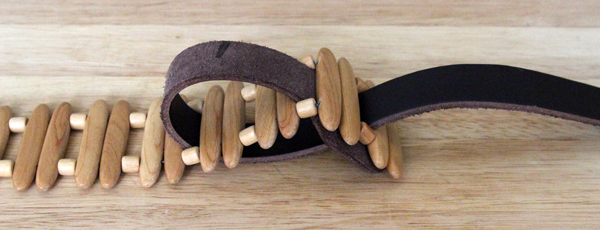
The strap tail can be attached to the main strap at any point up the strap. You just find a slot in the wooden pieces and weave it through. I’m a normal size guy – I wear a Men’s Large and don’t have to duck in doorways – but I had to attach the strap tail at the largest setting. Revo says straps are adjustable from 43″ to 55″. I must’ve been pushing the 55″ mark.
The strap hole for the neck of the guitar went on fine, but the strap hole for the base of the guitar was more difficult. The strap hole was just too small for the strap peg. I ended up taking a pocket knife, cutting the strap hole a bit, and voila! Good fit. (Note: When I contacted Revo, they actually recommended this approach. They prefer to make the strap tight for all guitars, then users customize for their hardware.)
Once it was set up, the strap was super comfortable. The weight distribution felt more even, and the guitar felt more secure and less “swingy”.
A note of caution: If you leave both sides of the strap attached when you put the guitar down (if you just slide it over your head, for example), it will smack against the back of your guitar when you put it down. Better to gently undo one of the ends and set the guitar down gently.
Bonus feature: We didn’t get to try it out, but Revo says you can get custom inlays in the strap to match your guitar. Sounds like a good looking setup for your nice acoustic.
Steve Palfreyman is the man behind the Music Launch Summit, the largest online conference in the music industry. It provides 40+ music industry masterclasses to help artists launch their career, and it’s free!
Here, Steve talks about his extensive career in the music industry that led to him creating the Music Launch Summit. From a grassroots music festival to band management and being a musician himself, Steve also provides some valuable advice on pursuing a career in music, and the importance of using tools such as industry conferences in doing so.
What inspired you to begin a grassroots music festival?
It was actually a friend I met at Uni that I jumped onboard with. He’d been running it at his property for years and wanted to expand it. Four of us studying together spent twelve months working on building this thing up into what we hoped would become a pretty phenomenal event. It was by most accounts until we had to shut it down last minute. The lesson – get written contracts! It would have been such an epic kick-start to our careers, but the failure in itself was a huge opportunity to make my next project more rock solid.
Following this you began to manage bands yourself. Do you think there were any key aspects of your management or the bands themselves that contributed to your success with these bands?
This was another big learning curve! I’d been managing my own band for years and after finishing my degree thought I’d be ready to jump out into the world helping other artists that I knew that I thought were brilliant. We kicked straight into things and got some good results. But so many things I’d do differently now.
What advice would you give to bands/artists who are thinking of approaching someone for management?
Do it yourself first. It’s far better to mess things up for yourself than have someone else do it! And honestly, the right person who’ll take your career to the next level probably isn’t going to rock up on day one. Learn the craft and wait for the right relationship, otherwise you might accidentally be getting a glorified assistant on board.
You’ve had experiences in many roles within the music industry, most recently with the Music Launch Hub to create the Music Launch Summit. What was the driving force behind this venture?
To bridge a big divide in the industry. We’re all so much closer to each other on our journey than I think we realise. That was my gut feeling after talking to and working with so many different creative people over the past few years in particular. Speaking to all these amazing people who are on the Summit, my idea has been confirmed. There really are a lot of people who want to see others win in the industry, and we can all learn from each other.
At what stage in a musician’s career do you believe they should start attending conferences like this in order for them to get the most out of them?
Day 1. That’s part of the reason I’ve put so much work into making this happen. I got more inspiration & ideas from my first BIGSOUND conference (that’s Australia’s SXSW) than I did in my 3 years studying a Music Business Degree. We can learn so much from our peers and because the industry isn’t one size fits all, I think a lot of what we need is just enough courage to go out there and make something happen, even make something fail. We need peer learning to speed up that process.
As a musician yourself and a successful music business entrepreneur, what do you believe to be the most useful piece of advice and/or the most useful tool for success for up-and-coming artists you have come across?
Be open. The more I’ve spoken to people, the more I’m seeing there isn’t one golden ticket. I think we all need to be open to learning & helping each other win rather than trying to scramble for ourselves. Our openness towards our peers and our industry will define how it plays out in the future for far more people than just you or I. It’s our responsibility to open this industry right up for everyone else.
You can learn more about the Music Launch Summit and how to attend here:
The relief that comes from a finished track is mostly felt when an artist completes the lyrics to a song, finalises the recording process and sends it off for the final touches.
The creation process has always been the most exciting part of writing a song as without a good song, there is only so far a track will go publicity wise of course. Although still relevant, the post-production stages, more relatively the mixing and mastering, has played a bigger role in bringing about success for artists and their music.
We mention 3 ways a quality track can not only help build you a successful career but even increase your fanbase.
1) Synchronisation
Synchronisation has played a key part in helping many new or even established artists by creating awareness of their music. Once something has been attached to a product through television or film, it can open doors that’ll evidently expose you to a wider audience and get you, you got it…new fans. Although other opportunities exist, when Music Supervisors search and listen to music in hopes of finding something that fits their briefs, the better it sounds, the easier the process will be and the more likely your track will stand out amongst other potentials. We blog about the best ways to pitch to Music Supervisors here.
2) Connections and More Jobs
Whether you’re a producer or a vocalist, if you’ve gained a history of previous/recent client testimonials based on the quality of the track production you may have worked/or were featured on, you can use this to open doors to more connections, work opportunities and overall industry attention. For example, you may be approached to be a session singer for a producer looking to record someone for a demo or you may be asked to mix/master a track all because they’ve heard your work and thought the quality was awesome. It really isn’t about how great your voice is or how good you look, in the first couple of moments of listening to a production all that really matters is the quality of the production.
3) It can make you look really professional
As the distribution/creation of music changed, so did the way it was listened to. From the phonograph to radio, from the walkman and now streaming. The quality of music has become increasingly compressed, all with the goal of creating easily distributable files. Compression has often been blamed for stripping the listener of experiencing much of the intricate sounds that were meant to be highlighted as part of the entire track. However, whether you’re the one creating it or you’re the voice featured on it, having a well mixed/mastered track without removing away the sounds perfected in the studio can make you look quite professional amongst your peers. It shows others you know what you’re doing. It’s not just about getting the frequency of a record so small so it fits in a small file, it’s about creating an experience for the listeners to have without unintentionally failing to enjoy the thought process that went into the work.
4) Major A&R Points
Although it’s not majorly important, an A&R executive will like to see that you know how to finish a track well that embodies the qualities of a good sound. If you consider the amount of tracks they might receive, a badly produced demo may not get the attention it deserves. If your songs sound like demos, it’s best to not pitch them to A&R’s. Aim for professionalism, mix and master well and let the sky be your limit.
We could go on and explain other ways a quality track production is key to success in the industry when it involves gaining new fans and attention. However, you get our drift. It’s always something worth investing in and something you won’t be disappointed in the results of. If you’re looking for someone to work with to mix your track simply click here to login to our platform and create a project today. Better yet, get a track mastered for free by Grammy award winning Metropolis Studios, click here to find out more details and how to get involved.
Written by: Trudy Kirabo
A&R Marketing Assistant at Music Gateway
Music Gateway is a B2B platform specifically designed to allow music industry professionals to connect and work together in a global capacity through sync opportunities and record label placements, the platform has established itself as the go-to platform for the music business.
Whether this is through hiring music professionals or collaborating with other industry creatives, it is a well-known platform that provides opportunities for international established clients who are looking for songs for television, film, and song placement briefs.
When you run a PR company you tend to get a lot of bands asking if you’d like to check out their music and potentially work with them. We can’t really listen to them all so here are 5 pieces of advice for getting our attention and approaching a PR company.
Method of Approaching
If you’re going to get in touch then email is probably the simplest and most accepted way you can get in touch with a press company about your band. Up until a few years ago I would have said sending in a CD was a good option too but a lot of computers now don’t come with CD drives anymore so any that turn up in the post to our office get put in box and are left to gather dust. Email also allows you to politely follow up if you’ve not had a response with-in a week or two. I don’t think there’s anything wrong with chasing someone up once or even twice. Any more I’d just take it as a sign that they aren’t interested. Though personally I’ll try and reply when I can if someone has taken the time to send a follow up email so don’t be afraid to it.
When you do send that email, make sure it’s actually tailored and personalised to the individual you are contacting. It’s worrying how many bands will send out a blanket email and bcc or even cc a ton of different PR companies in saying that they are wanting to work with them.
Randomly messaging someone on Facebook or tweeting a link to a track to them out of the blue is probably the most irritating. There’s nothing worse than seeing a band tweet about 100 different people at once asking them to ‘check out’ their track. Please don’t do it I beg of you. It doesn’t work and everyone will hate you.
Research
Make sure you do your research before you get in touch with a PR company about your band and see which other artists and the sort of music they cover. If you’re an indie rock band then contacting a PR company that specialises in heavy metal is just a waste of your time and the person who gets your email will straight away know you’ve not bothered to do your research. When you do find the PR that you think might be right for you then make sure you reference some of the artists they’ve worked with, especially if your band has some things in common with them. We always like to engage with people who are fans of the artists we work with so this will usually get our attention and it also shows you’ve put some thought into things before reaching out.
Planning
There’s a minimum period of time we usually work from on an album campaign. For example there’s normally a 2 to 3 month lead-in for a print campaign and around 6 to 8 weeks for online. So immediately if you get in touch and say your album is out next week then your’e already way too late for us to consider working with you. In some cases we’ve had people get in touch saying their album is already out. Again there’s nothing that can be done for you here.
When it comes to getting in touch try and keep these timeframes in mind and outline a rough plan of when you think your potential single/EP/album is coming out, when you might tour and also any other assets you could have for the campaign and when they’ll be ready, such as a music video. The more of this you can put together the more interesting you become to the person you are approaching.
Music
As obvious as this may sound, often bands will get in touch and not include a link to their music. Please include a link to your music and while you are at it try and make sure it’s a good quality recording. If you’ve done a lot of the hard work and convinced someone to take a listen to your track then you really want to impress them. A low quality demo or live video shot on a camera phone won’t have the same sort of impact as a decent recorded track. It’s our job to send your music to other people so if it doesn’t sound good we’re really not going to want to share it. Try and show us the final version or as close to it as you can.
Feedback
If the answer is a no then it’s always worth asking for feedback from the PR company you just approached. You won’t necessarily always get it but if you’ve caught them on a good day or maybe you were just really polite over email then they could offer some of their thoughts which you may want to take onboard. It also potentially leaves the door for you to contact them again in the near future.
I’ve had a couple of bands in the past where I suggested that hiring a PR company at this current time wasn’t right as their profile was too small and that they should try and create some initial coverage themselves. A while later the band did just that and came back showing some of the great coverage they’d secured so we’re now working with them on their next single.
Simon Glacken is the Director at I Like Press.
Since founding in 2009 as enthusiastic champions of the emergent British left-field rock scene, Leeds-based publicists I Like Press have evolved upon their ability to birth new artists into the public consciousness, to create fresh impetus for established musicians worldwide.
Here at Help For Bands, we are always trying to write blogs that musicians of all styles and abilities can relate to. We are also always trying to find international opportunities for our Help For Bands subscribers in our monthly opportunities newsletter.
With this in mind, we thought we would catch up with one of the companies who gave us an international opportunity for our newsletter, and ask his opinion on the importance of building relationships worldwide in the music industry.
Jonas Olsen works in communications, PR and marketing for No Angel Records in Denmark. This means he promotes music daily and scouts for new music for the label. He also works with creative media producers such as directors, editors and ad agencies. Here, he gives his insight into the making international relationships in the industry, and the advice he would give to artists about marketing themselves.
Have you ever worked with musicians outside of Denmark?
“We work with musicians from all over the world. Estonia, Canada and the U.S. are just a few examples. This goes not only for musicians but other publishers as well. We don’t believe in borders when it comes to musicians and music.”
How did this relationship come about? i.e. did they approach you or vice versa, how did you find each other?
“Well, both actually. We’ve reached out to some bands and others have reached out to us. Lately a lot more have reached out to us and we’ve made it very easy for artists to submit their music to us via our website. A lot of them have found out about us via our digital campaigns and we’ve found a lot of bands via independent music blogs and international music / media events such as SXSW and Tallinn Music Week.”
Do you believe there are benefits to creating relationships with people in the industry internationally?
“There are many benefits. I think musicians underestimate the power of an ‘international audience segment’ approach which an international network can give you. What doesn’t work in Denmark might work in Russia and vice versa. One of our Danish artists is quite popular in Poland, a country with a population of approx. 40 million people – 8 times more than Denmark. This was only possible due to our international network.”
From your experience in promoting music, what advice would you give to artists about making themselves and their music marketable in such a competitive industry?
“Consumers yearn for substance and meaning right now, and underground musicians aren’t good enough at delivering. To me, one of the most frustrating things is a musician that doesn’t know what they’re really good at or lacks a clear idea of what he / she wants to convey with his / her music. ‘I can play all genres and sing about everything’ just doesn’t cut it. Identity and individuality is key. That doesn’t mean that your music can’t evolve. It can. But you have to have a clear message and an identifiable style every time you promote your work. The artist’s message and personal identity is just as important as the music itself. Identifying popular and topical subjects is also an option if you want your songs to be more relevant and relatable to a broad audience.”
International Marketing
So, there you have it. Assessing yourself and the music you want to create could be the key to identifying whether you have a marketable product.
Do you have an individual identity in your music?
How would you describe yourself?
Knowing this could help you find international opportunities as well. Just because the country your from isn’t taking much notice of your music doesn’t mean that another one won’t either. Find the right market for your music.
For the chance to find some international opportunities with labels, managers and publishers from around the world, sign up to our monthly opportunities newsletter where you can get the contact details of these companies.
No Angel Records make it easier for great upcoming bands and artists to get noticed via media placements while the media industry gets an easier time finding great affordable bands for their commercials, TV productions and films.
Ways in which I first started writing for other people came to me as such a surprise. I’d just started university and decided that a career in publishing from a recent lecture had really influenced me to get into that sector of the music industry. I started doing some googling into publishing deals including what they expect of you and what they’re all about. For a few weeks after that I starting writing to briefs from ‘Sentric Music’ as they upload real life briefs for sync deals on their website. I never submitted anything but always gave them a go.
A few weeks down the line and I attended one of Manchester’s best known events. ‘Manchester’s Networking and Industry event’. Everyone from producers right through to music photographers attends, it is basically for anyone looking to work with others in the music industry. You name it they were there.
Magically, I stated on my nametag that I was a songwriter. I then met a guy called Feri, a great bloke who I work quite closely with now. Feri is a producer who works in the Swedish dance sector of the industry but also branches out to elsewhere with his music. We spoke for a bit in the loud crowd, exchanged details and he said he’d be in contact. Me being me, I thought nothing of it and well, to my surprise Feri called me up. He asked if I’d like to write towards a recent track he was working on for Universal. Exciting times this really was.
After he sent through a brief via email I started working straight away and came up with a simple little track called ‘The One’. I didn’t feel was great at first and I had many more ideas up my sleeve, but to my surprise Feri loved it. We then organised a meeting and met up at Feri’s house in Manchester. I went to his studio and recorded a demo of the track. Contracts were exchanged etc. with PRS and royalty splits and so on. I’d written for my first real life brief. It actually became rather successful. It had something like 200,000 streams on Spotify and was in the top 40 of some European country. And that was with my demo vocals produced onto it. I felt so proud.
Occurrences from similar events and recommendations by word of mouth these wonderful opportunities kept coming. I then started writing for indie labels after creating original music for pop boy/girl bands and so forth. Pop music just became something I loved writing. As an original artist writing pop/country/rock music it all felt rather natural.
Then came a night where I decided to attend a PRS event. PRS for Music is how original artists earn a living on music they’ve written either for themselves or other artists. (If you write your own music I’d recommend getting it). I knew a fair bit about PRS for Music but I wanted to attend and learn the ins and outs so I really knew what I was doing.
There were many industry professionals on a panel talking about their work in the music industry. Up on the panel was a man called Richard Broadman from Delphic/The Six. (If you don’t know who he is, he wrote Jess Glynn’s No. 2 in 2015 and toured with Oasis). He spoke about what he does in the industry now and how he had worked with various artists and writing teams. I learnt a lot from his industry panel talk.
At the end of the overall evening I saw Richard and decided to go over and chat. Explaining who I was and what I did by writing for other people and how I was looking for work as a freelance songwriter we exchanged details with an email. I then later that night stayed up rather late writing an extremely formal email about my work and how we met and so on. It’s more like writing a musical CV.
I then sent that email thinking I’ve given it a shot if nothing comes back, and if not then not to worry. A few days later I received an email from Richard saying how he liked the work I had done and would be in contact. Now opportunities like this don’t come around very often but Richard sent through a demo brief for ‘Little Mix’s’ newest 2017 album. I was blown away at the same time as amazed. I started working straight away pumping out as many ideas from the brief as possible. We then bounced ideas back and forth from each other. I was blown away and felt incredibly honoured to receive an opportunity like this. I have now worked with more indie labels and people looking music for sync etc.
How to find these kind of events yourself:
Approach people and feel confident in what you do. I also find having a good starting line to approach is a great starter. Something along the lines of “Hello, I’m ‘So, so’. I’m a singer-songwriter looking for work with other artists. I have written for etc”. Then let the conversation continue from there.
Business cards. They are an essential. Don’t exchange details with a scrap piece of paper. Be as professional as possible.
Have something to present. A well presented and produced CD. This a bonus to keeping as professional as possible.
Do your social media correctly. Present it in an easy accessible and presentable way in which people can find it.
Find events using event sites like Event Bright. These are great and beneficial ways to connect with people face to face.


 Written by Alex and Adam from music industry design company, Archetype.


 Gary White is an Independent Music Producer, Composer and Songwriter 1994-present. He plays guitar, bass, keys, drums, whistle, banjo.


 If you’ve recorded a song you can be earning money from this. Similarly to those who own the song rights, you will earn money each time the composition within your master recording is synced to visual media. Whoever wants to use the song in their production will need permission from both the owner of the song rights and the master rights so you are entitled to a fee as well for this usage. This fee depends on the negotiated contract.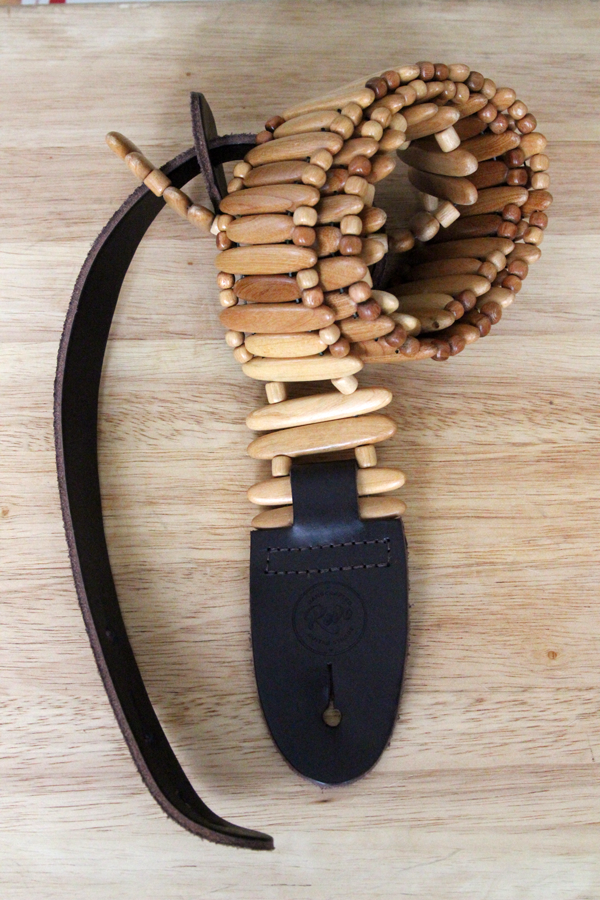


 At what stage in a musician’s career do you believe they should start attending conferences like this in order for them to get the most out of them?


 noangelrecords.com
 At the end of the overall evening I saw Richard and decided to go over and chat. Explaining who I was and what I did by writing for other people and how I was looking for work as a freelance songwriter we exchanged details with an email. I then later that night stayed up rather late writing an extremely formal email about my work and how we met and so on. It’s more like writing a musical CV.